

.png) Paul Smith, Solutions Consultant
Paul Smith, Solutions Consultant

Job descriptions are one of the most familiar documents in any organization, and one of the most misunderstood.
They're used for far more than hiring.
A single job description feeds recruiting, compensation benchmarking, pay equity reviews, compliance and audit readiness, performance conversations, and career progression.
That's the catch. Because one document touches so many systems, an unclear or outdated job description creates friction everywhere at once.
Before you can improve how job descriptions work inside your company, it helps to be clear on three things: what a job description actually is, what it is not, and why it matters more now than ever.
(And if you’re specifically evaluating how to govern, standardize, and maintain job content at scale, my article on job description management that explores the operational framework in detail.)
What Is a Job Description?
At its core, a job description is a structured definition of a role within your organization.
Most job descriptions include:
- A summary of the role’s purpose
- Core responsibilities
- Required skills and qualifications
- Reporting relationships
- Level within a job family
- Alignment to a salary band or compensation range
On the surface, that may sound straightforward. But inside an enterprise organization, a job description does far more than describe work.
It influences how you:
- Price roles in the market
- Benchmark against survey data
- Evaluate internal equity
- Structure career paths
- Support compliance and audit readiness
The EEOC’s Uniform Guidelines on Employee Selection Procedures emphasize that hiring criteria must be job-related and consistent with business necessity. That makes documented role expectations part of your broader compliance posture, not just administrative documentation.
A practical best practice is that your job descriptions should make it obvious that your requirements flow from the job’s essential functions and actual work (job analysis), not from tradition or “nice-to-haves.”
When job descriptions are clear and structured, they support defensible pay decisions, consistent leveling, and transparent career mobility.
Alternatively, when they're inconsistent or outdated, they create friction across multiple systems. Theresa Hatcher, Customer Success Director for BetterComp, notes that this friction becomes even more apparent when job descriptions aren’t governed.
She says, “There are so many users of this information within an organization. Starting from the employee themselves wanting to manage their own career and career progression, then the department managers, recruiters, talent management, and executives. Having a clear definition of who is responsible for maintaining it might be one of the most important decisions that an organization needs to make.”
What Job Descriptions Are Not
Clarity improves governance, so let’s address a few common misconceptions.
1. Job Descriptions Are Not Job Postings
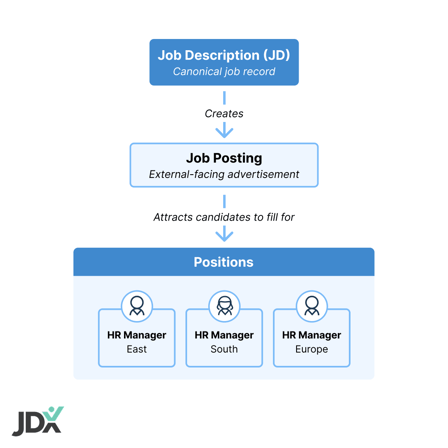
A job posting is written to attract candidates. A job description is written to define work. There's actually a big difference between the two.
Posting language may emphasize culture, growth, or flexibility. A job description should reflect role scope, decision rights, and accountability within your job architecture.
When these two documents drift apart, compensation teams often feel the impact first. Survey mapping becomes manual, leveling conversations become subjective, and exceptions increase.
In short, alignment between internal role definitions and external postings is critical.
2. Job Descriptions Are Not Static Files
Consider what your organization looked like three years ago. Since then, you may have undergone restructuring, responded to regulatory changes, or adopted new technologies.
Work evolves...often faster than documentation.
An outdated job description can misrepresent scope, decision authority, and skill requirements. That misalignment affects compensation benchmarking, hiring expectations, and performance evaluation.
To remain useful, job descriptions must reflect how work is actually performed today, not how it was defined in a previous operating model.
Accuracy over time requires periodic review and alignment with current business reality.
3. Job Descriptions Are Not Owned by One Team
Recruiting relies on them.
Compensation prices them.
HRIS stores them.
Managers reference them.
Employees use them to understand expectations and growth paths.
When job information lives in shared drives, spreadsheets, or disconnected systems, inconsistencies multiply.
This is where governance becomes essential. Having coverage — meaning every role has a document — is not the same as having control.
We explore this concept more deeply in our article on Why Coverage Without Governance Is Chaos at Scale. The short version: Documentation without structure introduces long-term risk.
4. Job Descriptions Are Not One-Time Projects
Many organizations recognize inconsistencies in their job descriptions and launch a comprehensive cleanup initiative.
They:
- Collect every job description across the company
- De-duplicate titles
- Standardize formatting
- Align roles to job families
- Rewrite content for clarity
The result is often a stronger, more cohesive framework. But here is where many organizations stop, and overtime, drift returns.
The issue isn’t the quality of the initial effort—I know HR teams invest significant time in rigor in these initiatives. The challenge is sustainability.
Sustainable clarity requires both architecture and ongoing management. In other words, job architecture defines the structure of work, and job management protects that structure over time.
Without systematic governance — including defined ownership, approval workflows, and centralized distribution — organizations find themselves repeating the same cleanup exercise every few years.
Why Job Descriptions Matter More Than Ever
You're probably wondering: Haven’t job descriptions always mattered?
Yes, but the environment around them has changed significantly.
1. Pay Transparency and Equity Expectations Are Increasing
Structured job descriptions document how and why jobs are valued. Regulators and bench-markers expect documented role definitions tied to pay structures.
That documentation is also essential in jurisdictions with pay transparency laws and for defending compensation decisions in equity reviews, ensuring organizations are anchoring pay to role scope rather than title alone.
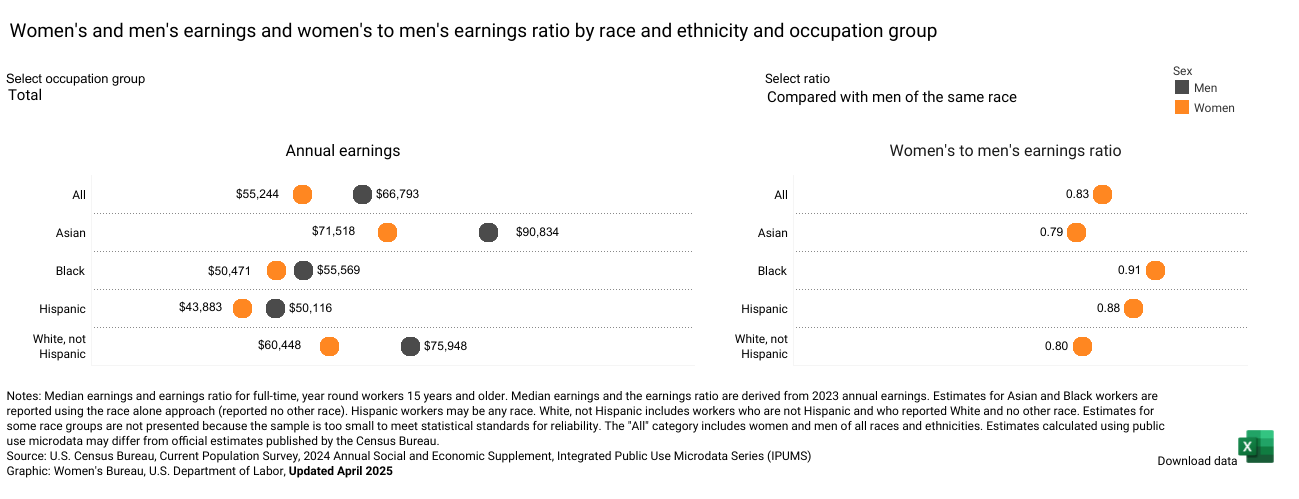
Pay transparency laws are also designed to reduce persistent gender and racial wage disparities. When signing Massachusetts’ salary transparency legislation, Gov. Maura Healey described it as “an important next step toward closing wage gaps, especially for people of color and women,” emphasizing the role transparency plays in building stronger, more diverse teams.
Moreover, structured job descriptions aligned to job architecture support:
- Consistent salary band application
- Cleaner survey benchmarking
- Faster compensation review cycles
- More reliable equity analysis
Alternatively, when role scope is unclear, pay decisions become harder to defend. And without standardized definitions, even the best compensation strategy becomes reactive.
2. Hiring Efficiency Depends on Clear Role Definition
In enterprise organizations, hiring delays are rarely caused by sourcing alone. More often, they stem from ambiguity.
When role scope isn’t clearly defined:
- Requisitions stall while leveling is debated
- Compensation teams re-price roles mid-process
- Responsibilities expand after approval
- Managers reinterpret expectations differently across business units
Each delay compounds cost.
Research shows that nearly 62% of employers report receiving unqualified applications, and roughly one in four revise job postings after publication due to unclear role definitions. When expectations are ambiguous, both hiring teams and candidates spend time correcting course instead of moving forward.
Clear, structured job descriptions reduce this operational drag by:
- Aligning leveling decisions before recruiting begins
- Anchoring salary bands to documented scope
- Creating consistency across regions and departments
- Reducing downstream rework
3. Talent Mobility and Workforce Planning Require Structured Role Clarity
Internal mobility, succession readiness, and skills strategy are core enterprise priorities. But each depends on one foundational element: defined work.
Employees can't move confidently across the organization if role expectations vary by department. Succession planning becomes subjective if responsibilities drift over time. And skills initiatives struggle when job definitions lack consistency.
Structured job descriptions support:
- Clear job families and levels across business units
- Defined progression criteria for advancement
- Consistent evaluation standards
- Reliable succession pipelines
For enterprise CHROs, structured (and governed) job descriptions protect institutional knowledge, reduce regrettable turnover, and strengthen workforce resilience.
When job architecture is clearly defined — and, again, actively maintained — mobility becomes operational rather than aspirational. Without that structured role clarity, talent strategy becomes fragmented.
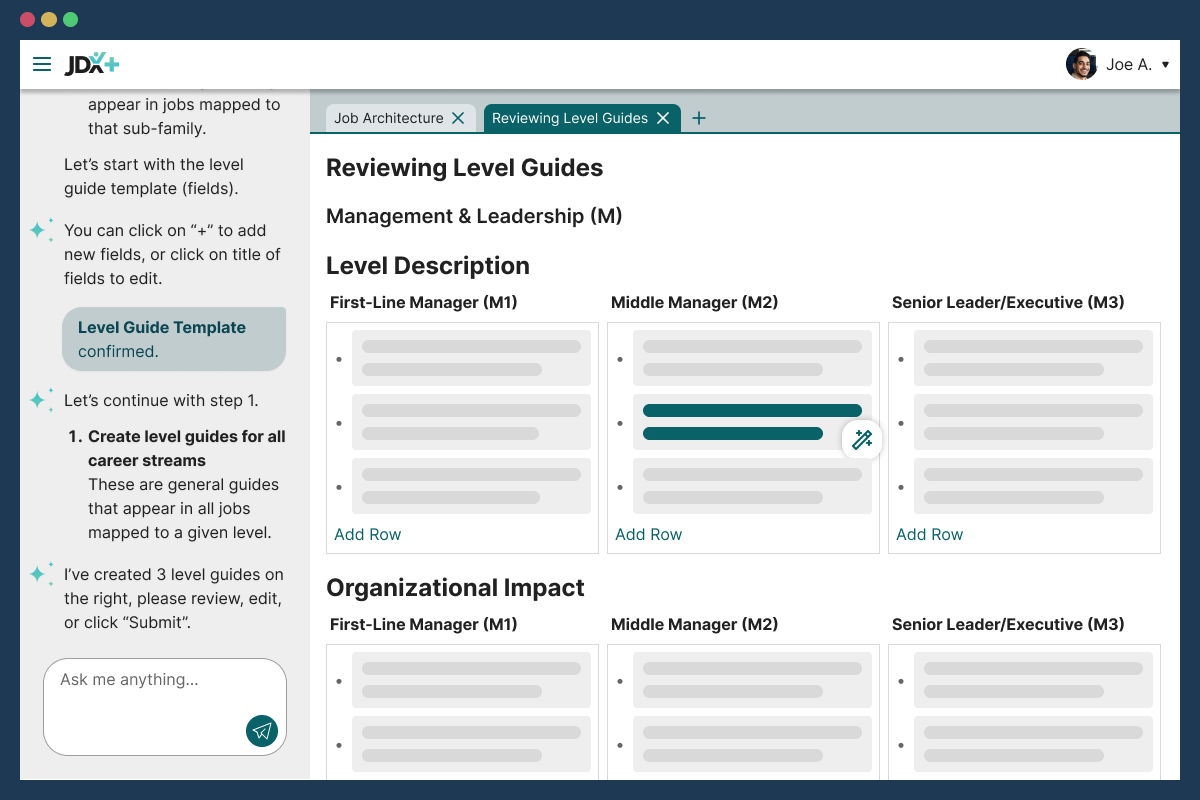
JDX+’s Job Architecture Module allows you to standardize expectations, competencies, and skills by level across your organization.
Move From Documents to Job Information
At enterprise scale, job descriptions must work as infrastructure. That's why we created a blueprint to help organizations turn their scattered job data into a governed, strategic asset.
A modern approach typically includes:
- Standardized templates aligned to job families
- Defined approval workflows and ownership
- Version history and change tracking
- Integration with HRIS, ATS, and compensation systems
- Clear alignment between scope, level, and salary bands
This is where job architecture and job management intersect. Architecture defines the structure of work. Management sustains that structure over time.
Because when job information is structured and governed, downstream priorities become easier to execute:
- Pay equity analysis becomes cleaner
- Hiring cycles shorten
- Mobility initiatives become operational
- Audit preparation becomes predictable
When this happens, job descriptions stop being administrative artifacts and transform into strategic assets that strengthen control over how work is defined, valued, and maintained across your organization.
Questions to Ask About Your Job Descriptions
If you're reassessing your approach, start with these practical questions:
- Where does job content live today — and is there a single source of truth?
- Who has authority to change a job description?
- Is there a documented approval workflow?
- Can you quickly produce a version history for any role?
- Are job descriptions consistently aligned to job families and salary bands?
- How often are roles reviewed for accuracy?
- When new roles are created, what governance controls apply?
- Do we have documented times (e.g., annual or trigger-based: reorg, tech change, regulatory change, Date Last Finalized) to ensure 'periodic reviews' of job descriptions are operational?
If the answers feel fragmented, the issue likely isn’t content quality.
It’s structure and ongoing management.